pottstown top rated Auto Repair - Trusted Transmission & Brake Experts
Why Regular Auto Repair Is Critical for Your Vehicle's Longevity
Regular auto repair is essential for upholding a vehicle's longevity. Scheduled maintenance operations, such as brake checks and oil replacements, assist in avoiding major problems down the line. These practices not only boost performance but also ensure safety on the road. By complying with recommended service schedules, drivers can boost fuel efficiency and minimize costs. However, the question remains: what particular advantages emerge from a consistent repair routine?
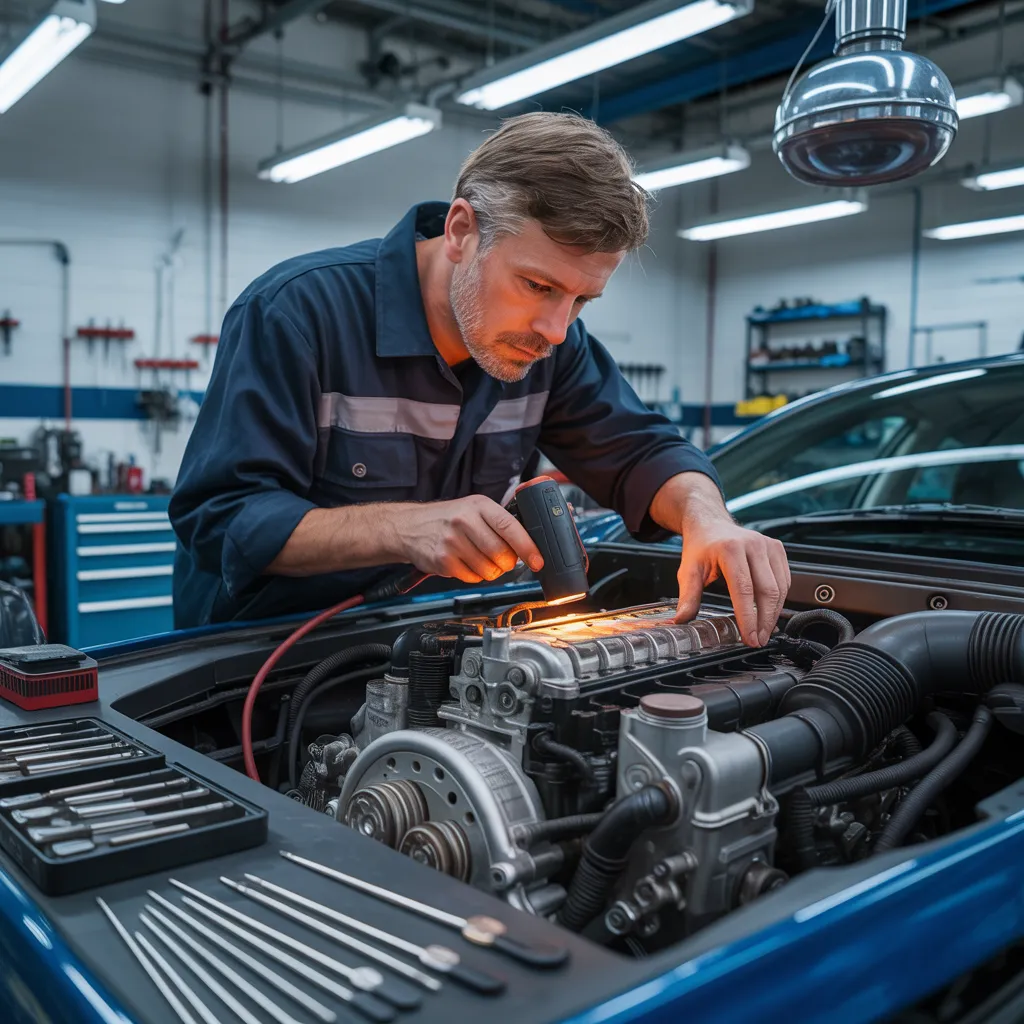
How Does Regular Car Service Prevent Significant Issues?
In what ways can regular auto repair practices significantly reduce the risk of major vehicle issues? Routine inspections and timely repairs play a vital role in vehicle maintenance. By resolving minor concerns before they escalate, drivers can avoid costly breakdowns and extensive damage. Regular checks of vital components like brakes, tires, and fluid levels allow for the identification of wear and tear. This proactive approach helps ensure that vehicles operate reliably and safely.
Furthermore, mechanics can discover issues that might not be instantly obvious to the driver, such as engine misfires or transmission abnormalities. Disregarding these warning signs can bring about major mechanical failures, often leading to expensive repairs or even accidents. By adhering to a schedule of regular auto repair, vehicle owners not only increase safety but also prolong the lifespan of their automobiles, ultimately saving time and money in the long run.
The Way Regular Servicing Prolongs Your Vehicle's Life
Routine maintenance is crucial for extending a vehicle's lifespan, as it averts major breakdowns that can result in costly repairs. Furthermore, routine services and checkups can enhance fuel efficiency, eventually saving drivers money at the pump. By focusing on maintenance, car owners can make certain their vehicles remain reliable and efficient over time.
Prevents Major Failures
Regular maintenance acts as a safeguard against major breakdowns, guaranteeing a vehicle remains reliable over time. Scheduled inspections and timely repairs enable mechanics to discover and address potential issues before they escalate. For instance, regularly examining the engine, brakes, and transmission can reveal wear and tear that, if ignored, may lead to catastrophic failures. Furthermore, maintaining fluid levels and replacing filters can prevent overheating and mechanical strain. By sticking to a maintenance schedule, vehicle owners can substantially reduce the risk of unexpected breakdowns, which can be both inconvenient and costly. Ultimately, proactive care is essential in extending the lifespan of a vehicle, providing peace of mind to drivers as they navigate their daily journeys.
Improves Fuel Performance
Taking care of a vehicle not only aids in preventing major breakdowns but also plays a substantial role in enhancing fuel efficiency. Routine maintenance, such as oil changes, air filter replacements, and tire rotations, makes certain that all components of the vehicle function optimally. A well-lubricated engine functions more smoothly, consuming less fuel. Moreover, properly inflated tires decrease rolling resistance, which directly impacts fuel consumption. Ignoring maintenance can cause clogged fuel injectors or dirty air filters, causing the engine to work harder and waste fuel. By engaging in routine auto repair, vehicle owners can benefit from improved mileage and reduced fuel expenses. In the end, consistent maintenance not only extends the life of the vehicle but also promotes a more cost-effective and environmentally friendly driving experience.
The Critical Role of Safety Inspections in Automotive Service
Despite the fact that many vehicle owners emphasize routine maintenance, the vital role of safety checks in auto repair is extremely important. These inspections guarantee that vital components including brakes, tires, and lights perform correctly, significantly reducing the risk of accidents. Regular safety inspections assist in detect potential issues before they develop further, offering peace of mind for everyone in the vehicle.
Furthermore, safety inspections are critical for adherence with local regulations, as various regions require specific safety regulations for vehicles. Disregarding these assessments can result in legal fines and escalated repair costs if issues are left ignored.
Furthermore, a properly maintained vehicle boosts overall driving experience, providing confidence on the road. By committing to safety checks, vehicle owners don't just protect their investment but also make a priority of the safety of themselves and others. Finally, incorporating safety checks into regular auto repair practices is critical for any responsible vehicle owner.
How Routine Maintenance Enhances Your Vehicle's Fuel Economy
Regular servicing plays a vital role in enhancing a vehicle's fuel efficiency. Periodic servicing, such as replacing air filters and changing oil, confirms the engine operates smoothly. A properly lubricated engine minimizes friction, enabling better fuel combustion. In addition, monitoring tire pressure and alignment is crucial; under-inflated or poorly aligned tires can raise rolling resistance, leading to higher fuel consumption.
Additionally, regular servicing includes inspections of fuel injectors and exhaust systems, which can significantly impact performance. Clean fuel injectors promote efficient fuel delivery, while a properly functioning exhaust system prevents back pressure that can hinder engine efficiency.
In addition, mechanics often detect and fix minor defects before they escalate, confirming that all components function harmoniously. Finally, regular maintenance not only increases the lifespan of the vehicle but also maximizes fuel efficiency, contributing to an overall enhanced driving experience.
Cost Savings Via Preventive Maintenance
Preventive care can result in considerable financial benefits for vehicle owners, as addressing minor issues before they develop into major problems often reduces repair expenses. Routine maintenance procedures and vehicle checks, such as oil changes, tire rotations, and brake checks, assist in detecting possible problems at an early stage. By addressing these issues quickly, vehicle owners sidestep significant repair costs and vehicle breakdowns that can result from neglect.
Additionally, maintaining a vehicle's maximum performance can enhance fuel efficiency, thereby reducing operating costs. Proactive maintenance also lengthens the lifespan of essential components, limiting the frequency of replacements.
Additionally, numerous manufacturers feature warranties that necessitate regular servicing to remain valid. Following a routine maintenance schedule secures compliance with these conditions, stopping unexpected out-of-pocket expenses. To summarize, investing in preventative maintenance results in substantial long-term savings, making it a wise choice for vehicle owners looking to manage their automotive costs effectively.
How Expert Auto Repair Services Improve Vehicle Longevity
Skilled auto repair knowledge plays an essential part in maximizing vehicle longevity. Skilled technicians possess in-depth knowledge of automotive systems, permitting them to recognize and fix problems before they advance into major issues. Their experience allows for accurate diagnostics, making certain that all repairs are specific and efficient. Regular evaluations conducted by experts can reveal concealed deterioration, fostering timely interventions that keep vehicles operating efficiently.
Moreover, professional mechanics are highly knowledgeable about the latest technologies and repair techniques, which extends a vehicle's lifespan. They employ specialized tools and equipment, making certain that repairs are conducted to manufacturer specifications. This following of standards protects the integrity of the vehicle's components, decreasing the likelihood of premature failure. Ultimately, the expertise of professional auto repair not only enhances performance but also offers peace of mind, permitting vehicle owners to rely on a consistent mode of transportation for years to come.
How Often Should You Book Auto Repairs?
While many vehicle owners may underestimate the necessity of scheduling auto repairs, doing so at regular intervals is essential for maintaining a vehicle's health and longevity. Typically, it is wise to schedule maintenance checks every 5,000 to 7,500 miles, depending on the vehicle's make and model. This frequency permits mechanics to spot potential issues before they escalate into major problems.
In addition to mileage-based intervals, vehicle owners should also be aware of seasonal changes, as extreme temperatures can affect engine performance and tire conditions. Regular inspections should include oil changes, brake checks, and tire rotations. Additionally, specific components, such as belts and hoses, may require attention based on the manufacturer's recommendations.
Frequently Asked Questions
What Are the Signs That My Car Needs Immediate Repair?
Indicators that suggest a vehicle requires immediate repair include odd noises, warning lights on the dashboard, smoke or uncommon odors, fluid leaks, weak braking performance, and difficulty starting the engine. Immediate attention can stop further damage.
Is It Possible to Do My Own Auto Repairs to Cut Costs?
People can undertake vehicle repairs themselves to cut costs, given they have the essential equipment, understanding, and capabilities. Nevertheless, care should be exercised, since incorrect repairs could result in additional problems and higher expenses.
How Can I Select a Dependable Auto Repair Shop?
When selecting a reputable auto repair shop, it's important to request recommendations, review online reviews, check certifications, visit the shop to evaluate cleanliness and organization, and check for warranties on services to ensure detailed guide reliability and quality.
Are There Certain Maintenance Tasks I Can Perform at Home?
Home maintenance is possible for individuals to perform basic tasks, such as checking tire pressure, changing engine oil, replacing air filters, and inspecting brake pads. These activities help guarantee vehicle performance and can prevent more major issues.
What Can Happen If You Avoid Regular Auto Repairs?
Foregoing regular auto repairs can lead to reduced vehicle performance, escalated repair costs, safety hazards, and potential breakdowns. Over time, skipping maintenance may result in irreversible damage, ultimately reducing the vehicle's lifespan and reliability.